Work
May 20, 2025
Lipton killed their brand with a "prank"
Lipton’s Peach Ice Tea prank went viral—and backfired. Here’s how smart strategy could’ve turned outrage into their biggest win.
Category
Work
Client
Date
We all know the name.
Lipton Peach Ice Tea —A chilled refresher af
ter a scorching summer’s day.
However, behind everyone’s favourite drink is a much more sinister side. A prank that killed Lipton’s entire brand in seconds.
Let’s break down Lipton’s horrible failed ‘prank’, and what they should’ve done instead, from the perspective of a marketing professional.
What Happened?
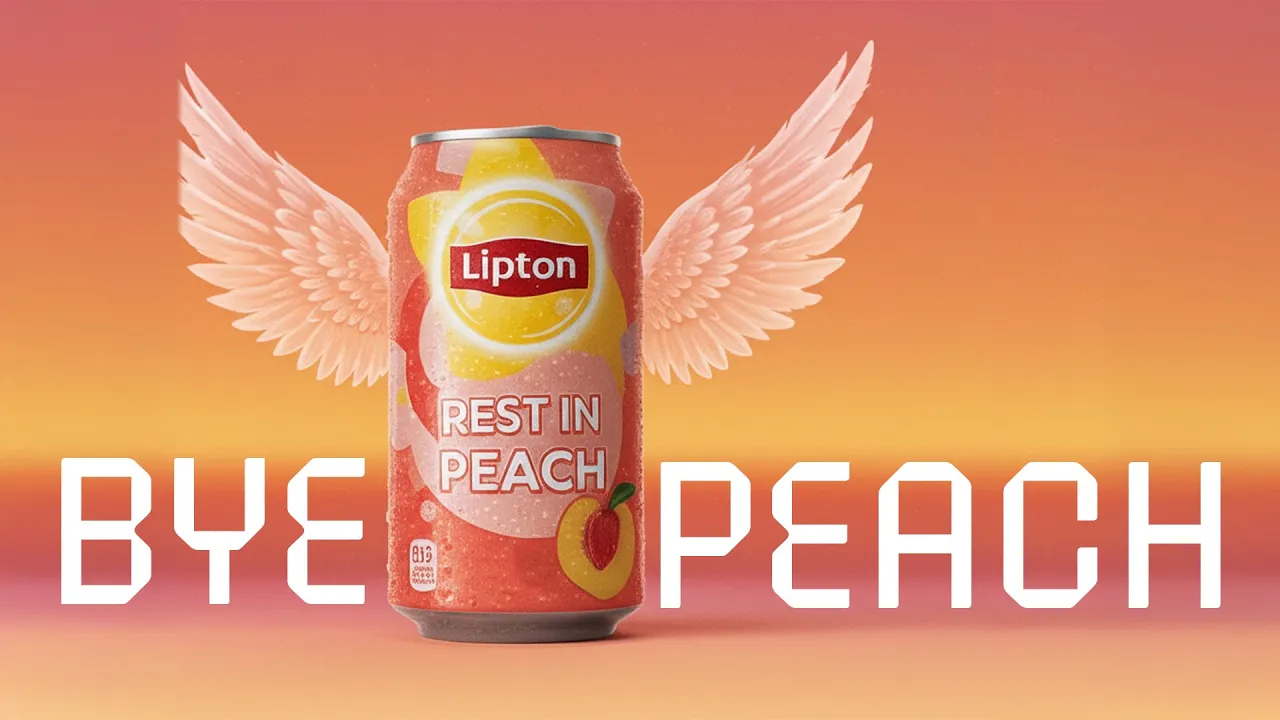
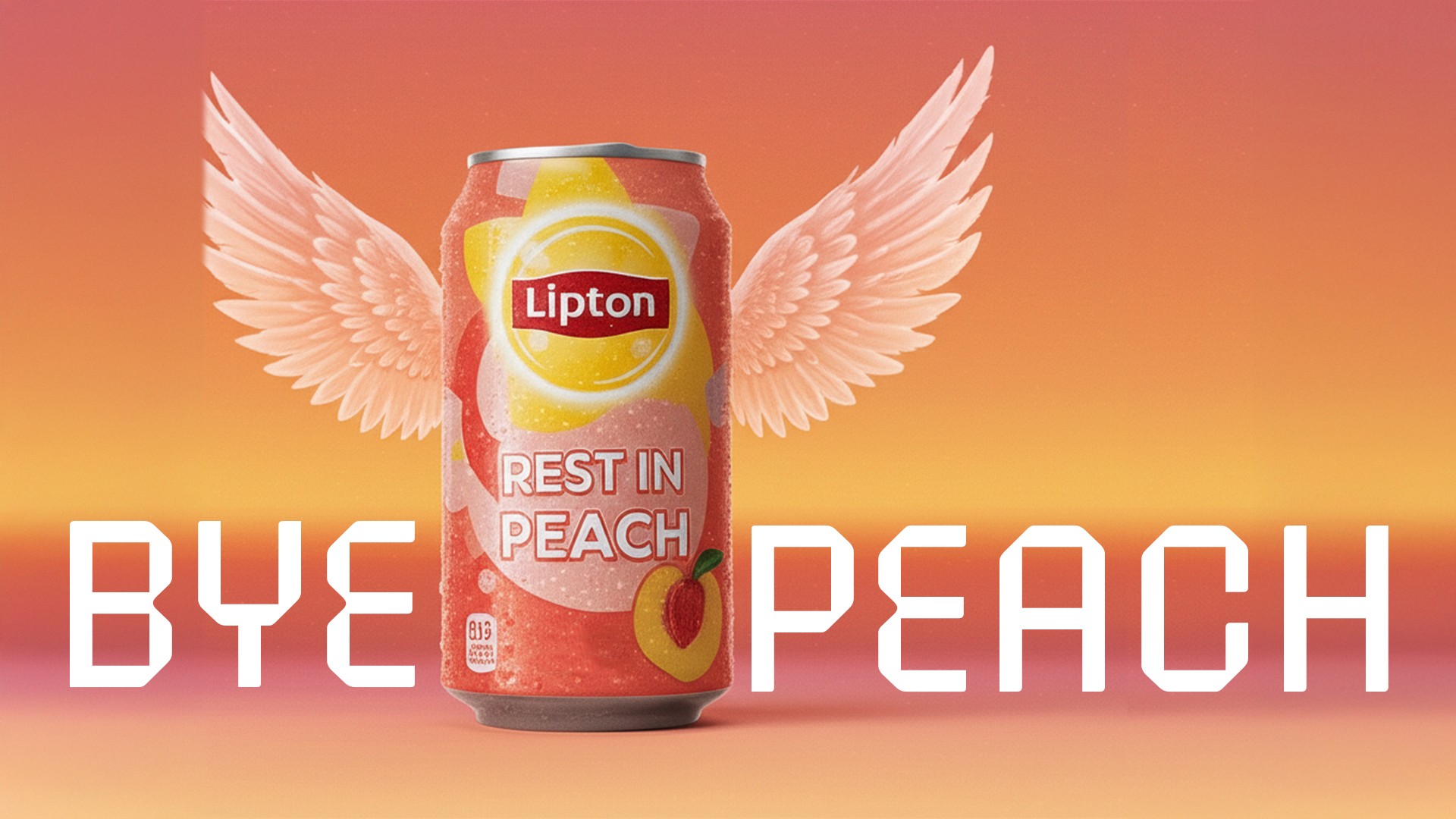
On March 18, 2025, Lipton took to Instagram to announce the supposed discontinuation of its iconic Peach Ice Tea. The post — featuring a can with angel wings and the caption “Rest in Peach” — set social media on fire.
Within 24 hours, Lipton walked it back calling it an early April Fools’ joke. Fans were relieved and annoyed. But it was too late, the internet already had a meltdown.
To their credit, Lipton achieved what every brand wants: attention. The post went viral instantly.
Lipton even acknowledged the strong fan responses and released a statement to send gifts to their fan base,
“Your love for Peach has not gone unnoticed. But I’ve got your back, I will be sending a surprise to the biggest fans with the best reactions ;)”.
But that virality came at a cost.
The Cost of Virality
The emotional whiplash left many questioning Lipton’s sincerity. Some felt betrayed, others mocked the execution, and suddenly the line between playful and careless felt pretty blurry.
This isn’t just about one post. Brands like Netflix and Coca-Cola have faced similar backlash for discontinuing products (RIP Lime Coke), but those were genuine business decisions.
When you fake killing a product, you weaponise nostalgia against your audience.
A 2022 Edelman study found that when the brand is trusted, 67% of consumers are more likely to stay loyal and advocate for them, and 58% are more likely to purchase. If Lipton prioritises PR stunts over transparency.” Why should customers trust future announcements?
Compare this to IHOP’s 2018 “IHOb” burger stunt. For weeks, they teased a mysterious rebrand, letting speculation run wild before revealing burgers.
Why did this work for IHOP and not Lipton? IHOP maintained their control of the narrative, but Lipton didn’t.
IHOP cultivated curiosity without the emotional stakes — no one mourned for pancakes. Lipton, however, gambled with a product tied to personal memories: the go to drink at the canteen, summer vacations, first dates, family BBQs. You don’t joke about murdering nostalgia.
So what would we have done? Simple — wait.
Phase 1: Let the Panic Sink In
Instead of reversing course in 24 hours, we’d build a narrative.
Let the discontinuation feel real. The team is also in despair. Use the brand’s social media voice to play along and empathise with fans. Not in a corporate tone — but as the social media manager who’s also gutted about the news.
Make the crisis feel real, validate the fans emotions.
Imagine tweets like this:
“Currently chugging my last Peach in the office bathroom. Send help.”
“If anyone needs me, I’ll be writing sad Peach Ice Tea poetry. This is my villain origin story.”
“Peach is gone and my coworkers are concerned. I’m playing ‘Nothin on you’ on repeat.”
“I tried to stop them. I really did.”
“Peach Ice Tea being discontinued was not on my 2025 bingo card.”
You know, stir the pot a little.
Phase 2: Bring on the Outrage
Transform anger into action, we’d launch a fan-led rebellion: #BringBackPeach.
But don’t only start a hashtag — give the fans tools.
‘Protest Kits’ if you’d like to name them. Static filters, game filters, Protest Poster templates, you name them.
We can create scarcity and urgency. Ignite the internet once more with “Last Known Peach Sightings”. Here we’ll gain earned media, where consumers share where they have last seen the Peach Ice Tea stock.
We can even leak a bizarre new flavour to replace the Peach Ice Tea. What do you say? Would you like a Durian Ice Tea? We won’t formally recognise this information, and the social media voice will reflect this ambiguity. But remember, we need to stick to our reluctance that Peach is leaving.
Let people share their Peach stories. Their memes. Their mock protests. We Let the internet cook.
Phase 3: The Heroic Return
At this point, we should be around 4 to 5 weeks in.
When tension peaks, we deliver the twist:
“You spoke. We listened. Peach is back.”
But don’t just drop the news. Celebrate it.
We’d tie the reveal to a major summer festival
Partner with Coachella for branded chill zones. We could even serve Peach Tea slushies.
Retailers can stock limited-edition “Zombie Peach” cans with a QR code for a multitude of different interactions.
And officially announce that Peach will never leave again. It’s going into the Lipton history books as a preserved and protected flavour!
The campaign becomes a two-part story: loss, and revival. Rage and redemption. Suddenly, Lipton Peach Ice Tea isn’t just a drink — it’s a seasonal vibe.
And the best part? It feels like the fans made it happen.
So why would this work?
The Duration: Stretching the campaign across a four-week arc gives the narrative space to unfold. Instead of abrupt emotional whiplash, it allows time for suspense, speculation, and emotional investment. Consumers aren’t just reacting — they’re participating. It mirrors the pacing of a well-told story, with build-up, tension, and a satisfying payoff.
Fan Agency: When fans feel like they’ve influenced corporate decision-making, their connection to the brand deepens. They didn’t just buy Peach — they saved it. That sense of grassroots victory taps into the same dynamic LEGO leverages with its fan-driven set petitions: give the community a voice, and they’ll give you loyalty. It turns brand engagement into something personal, emotional, and proud.
Brand Value: Scarcity fuels demand. When a fan-favourite product faces discontinuation, consumer behaviour kicks into overdrive — stockpiling, hoarding, and screaming into the void. That urgency becomes its own kind of momentum. Peach’s special edition merchandise won’t just be products, but will be a symbol. Victory memorabilia. A tangible reminder that the fans made this happen. It transforms a corporate reversal into a community win. Something fans can wear, share, and proudly say, “we brought Peach back”.
We can do one more thing.
Once the festival season winds down and the peak of summer has passed, Lipton doesn’t go quiet — it evolves the campaign into a part of the brand story.
We launch a documentary-style YouTube video titled something like:
“How Peach Conquered the Internet” or “How Peach Is Here to Stay… Forever.”
It recaps the full arc — from chaos to comeback — featuring behind-the-scenes commentary from the brand team, fan-generated content, and testimonials from the very people who made the campaign go viral.
We can survey fans on how they felt during the rollercoaster. This transforms customers into co-creators, not just consumers. The key is participation. Every comment, meme, and emotional outburst became a form of live market feedback — raw, unfiltered, and incredibly valuable. We can use that momentum to seed the next product launch, leveraging real-time insights to guide flavour development, packaging, or campaign ideas.
The Takeaway.
Lipton’s prank did create a viral moment. But that’s all it was a moment.
With a bit more patience and planning, that moment could have become a movement. Peach wouldn’t just be trending — it’d be the taste of the summer. A viral season, powered by the people who love it most.
So if you’re planning your next campaign, ask yourself: Are you setting up a joke? Or are you building a story worth sharing?
Related Articles